Cold Weather and Tooth Sensitivity in Brentwood
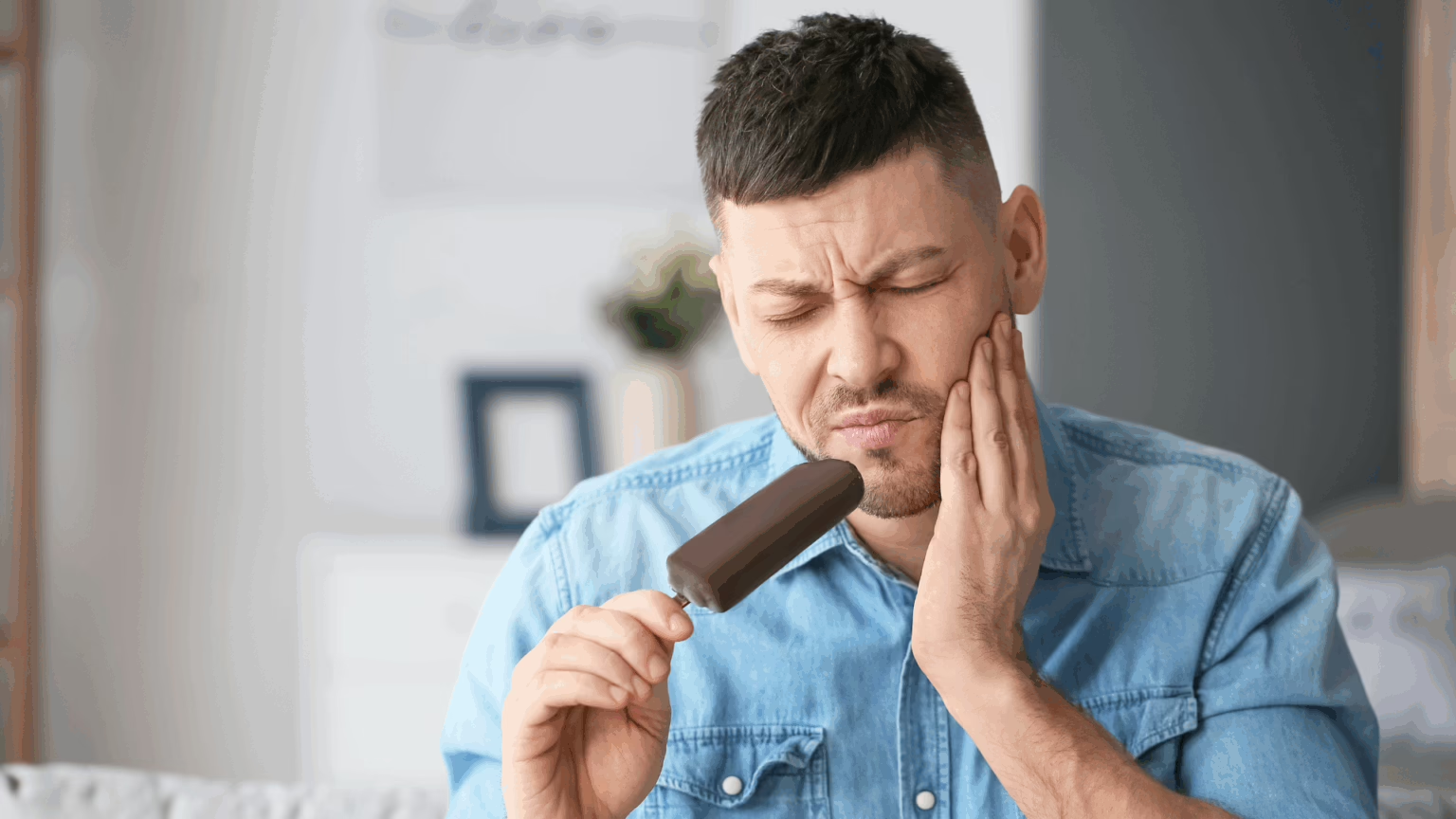
Even though winters are mild in Brentwood and West Los Angeles, many residents still struggle with sensitive teeth when temperatures drop. A quick morning walk, a chilly gust of wind, or even sipping an iced coffee can trigger a sharp “zing” of discomfort.
At Dental Design of Brentwood, we notice a rise in sensitivity concerns every winter. Patients come in asking why their teeth hurt when they breathe cold air, why only one tooth reacts, or whether this is normal. Cold-weather sensitivity is common — but it usually means something deeper is happening with your oral health.
Here’s why your teeth feel more sensitive in cooler weather, and what Brentwood residents can do to find relief.
Why Cold Air Makes Sensitive Teeth Hurt
When temperatures cool down, your enamel naturally contracts. For many Brentwood patients, this exposes tiny pores in the enamel and dentin, making teeth react quickly to temperature changes.
You may feel sensitivity when:
- Stepping outside in the morning
- Breathing through your mouth during workouts
- Driving with the windows down
- Drinking cold water or iced drinks
If your enamel is already worn — from whitening products, grinding, or acidic foods — cold weather can make sensitivity feel sharper and more sudden.
Gum Recession Is a Major Cause of Winter Sensitivity
One of the most frequent concerns we hear is whether gum recession can make teeth extremely sensitive in cold weather. The answer is yes — and it’s very common among adults in West LA.
As gums recede, they expose the root surface, which is far more sensitive than enamel. Cold air easily reaches this area, causing the sharp, quick pain many describe in winter.
You may see recession if you notice:
- Teeth looking longer
- Sensitivity when brushing
- Darker areas at the gumline
- Sudden pain with temperature changes
Recession can come from brushing too hard, grinding, inflammation, or natural aging — and it’s one of the leading contributors to winter sensitivity.
Enamel Wear Makes Sensitivity Worse in Cold Weather
Many Brentwood residents enjoy tooth-whitening products or acidic foods such as coffee, citrus, wine, and kombucha — all of which can thin enamel over time.
Enamel wear increases sensitivity because:
- Cold air penetrates the tooth more easily
- Hot and cold drinks trigger pain faster
- Temperature changes reach the dentin quickly
If sensitivity began after lifestyle or toothpaste changes, thinning enamel could be part of the cause.
Grinding and Clenching Increase Tooth Sensitivity
The end of the year often brings more stress, irregular schedules, and colder nights — all of which can lead to increased clenching or grinding.
Grinding creates micro-cracks in enamel, making teeth more reactive to cold air and cold drinks.
Signs grinding may be the problem include:
- Morning jaw tightness
- Headaches
- A sore bite
- Chipped or flattened edges
- Sensitivity when chewing
A custom nightguard can protect enamel and reduce sensitivity throughout winter.
It Could Be a Cavity or Cracked Tooth
Not all cold-weather sensitivity is seasonal. Many Brentwood patients experience sharp pain from:
If sensitivity is isolated to one tooth, or if the pain lingers after the cold stimulus, it’s important to get it evaluated. Temperature sensitivity is often an early warning sign.
Winter Allergies Can Make Teeth Feel More Sensitive
Brentwood residents deal with winter allergies more than people expect. When sinuses swell, pressure can radiate into the roots of the upper teeth, making cold sensitivity feel worse.
You may notice:
- Sensitivity across several upper teeth
- Pain that changes with congestion
- Pressure that worsens when leaning forward
Sinus-related discomfort is common during cooler months and often overlaps with dental sensitivity.
When Sensitive Teeth Mean You Should See a Dentist
Cold-weather sensitivity should be checked if:
- It happens daily
- Only one tooth is affected
- Pain lingers after the cold
- You see recession or fractures
- Your bite feels “off”
- You experience swelling or pressure
Even mild sensitivity can point to early decay, enamel wear, recession, or bruxism — all easier to treat early.
How Dental Design of Brentwood Helps Sensitive Teeth
Our Brentwood patients benefit from customized solutions that target the root cause of sensitivity, including:
- Professional fluoride treatments
- Desensitizing gels or pastes
- Repair for cracks or cavities
- Replacement of worn fillings
- Protection for exposed roots
- Custom nightguards for grinding
- Gentle toothpaste recommendations
We focus on treating the cause — not just the symptom.
Stay Comfortable This Winter With Expert Care
Cold-weather tooth sensitivity doesn’t have to disrupt your day. If you’re feeling sudden zings of pain, increased sensitivity, or discomfort that keeps returning, winter is the perfect time to get answers.
Call Dental Design of Brentwood at (310) 820-5703 or schedule your appointment online.
We’re here to help Brentwood and West LA stay comfortable all season long.