If you’ve recently started taking antidepressants, you might have noticed some unexpected changes—like dry mouth, sensitivity, or even jaw tension. While these medications play an important role in supporting mental health, they can also affect your oral health in ways that aren’t always obvious.
At Dental Design of Brentwood, we help patients in Los Angeles, CA, understand these connections—and how to stay ahead of them.
How Antidepressants Affect Your Mouth
Many antidepressants—especially SSRIs and SNRIs—can reduce saliva production, leading to dry mouth.
Saliva is essential because it:
- Washes away bacteria
- Neutralizes acids
- Protects your enamel
👉 When saliva levels drop, your teeth and gums lose an important layer of protection.
Why Dry Mouth Is a Bigger Deal Than It Seems
Dry mouth might feel like a small inconvenience, but it can lead to bigger issues if it sticks around.
Here’s what can happen:
- Plaque builds up more easily
- Teeth become more prone to decay
- Bad breath becomes more noticeable
- Gums may feel irritated or inflamed
If your mouth has felt noticeably drier since starting medication, it’s worth paying attention early—before it turns into something more serious.
Other Side Effects to Watch For
Teeth Grinding or Clenching
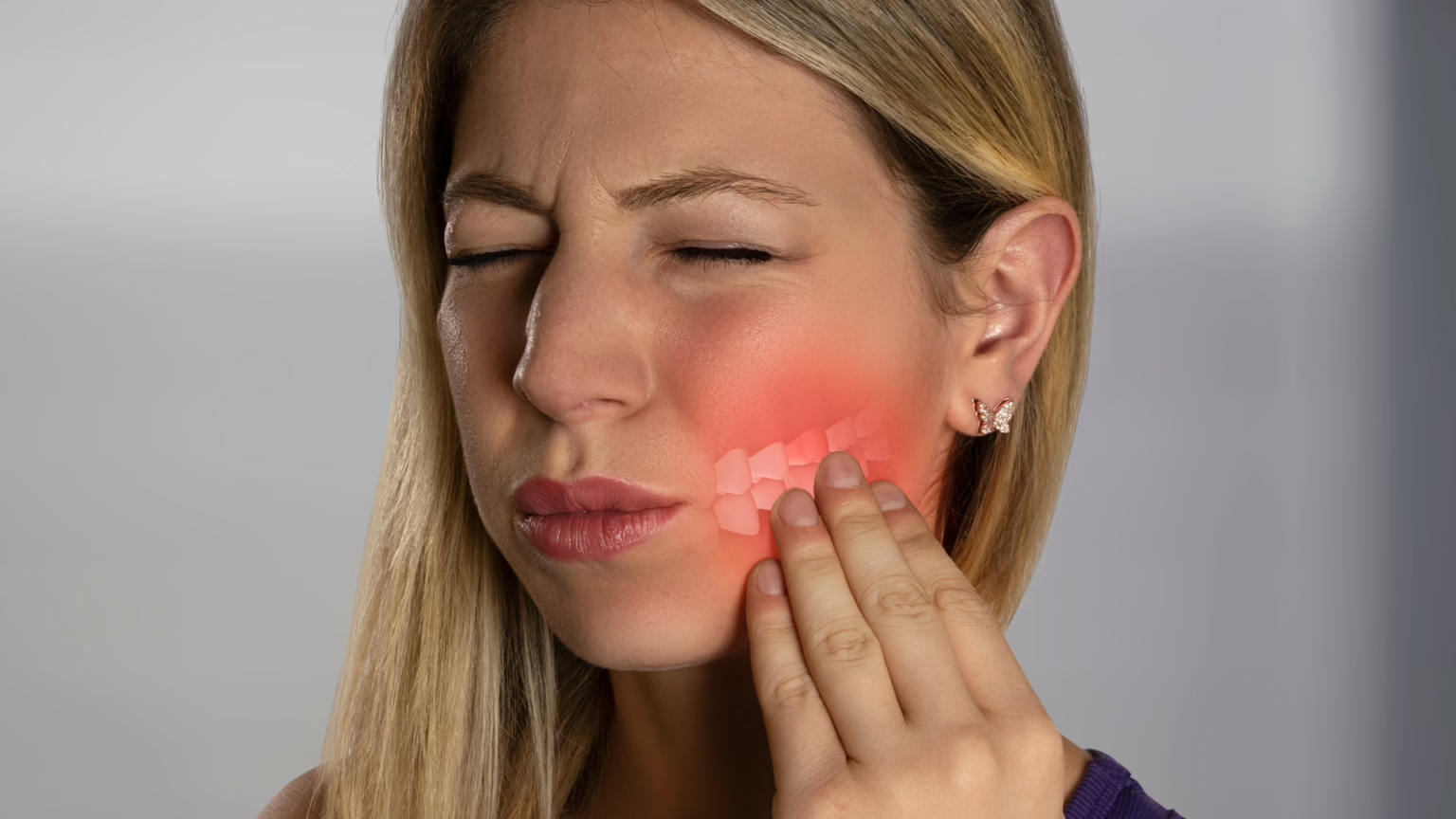
Some medications can increase muscle tension, which may lead to grinding—especially at night.
You might notice:
- Jaw soreness
- Morning headaches
- Teeth that feel sensitive or worn
Over time, this added pressure can wear down enamel and make certain teeth feel more sensitive than others.
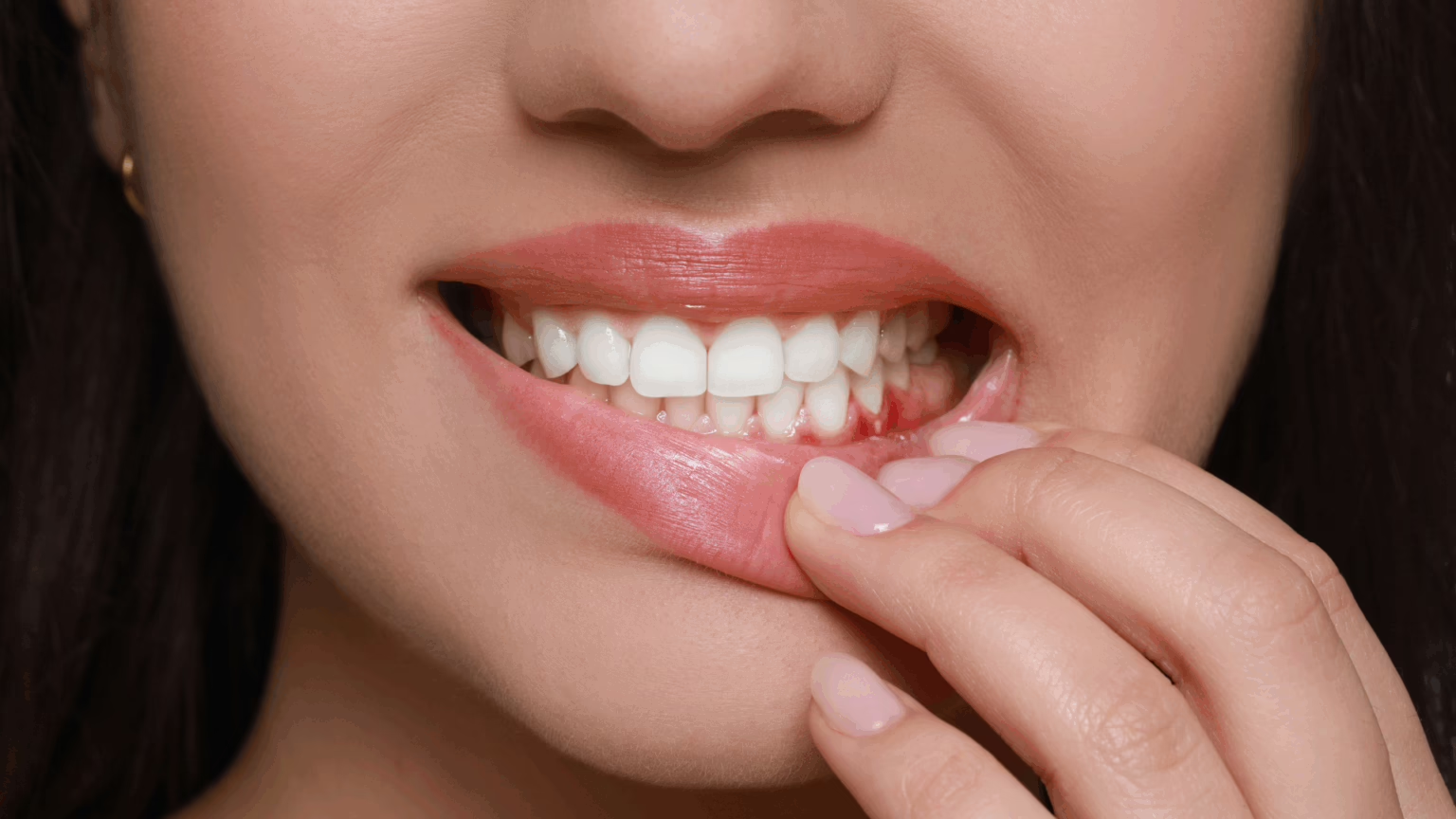
Gum Sensitivity
You may notice your gums:
- Bleed more easily
- Feel tender in certain areas
Even if your brushing habits haven’t changed, your gums can become more reactive due to shifts in your body.
Changes in Taste
Some people experience subtle changes in taste, which can affect food choices and eating habits over time.
How to Protect Your Oral Health While on Antidepressants
The good news: you don’t need to stop your medication to protect your smile. A few small habits can make a big difference.
Stay Hydrated
Drinking water consistently throughout the day helps keep your mouth moist and supports saliva production.
Stimulate Saliva
Sugar-free gum or lozenges can help your mouth produce more saliva naturally.
Be Mindful of Snacking
Frequent snacking—especially with a dry mouth—can increase your risk of cavities since your teeth are exposed to bacteria and acids more often.
Keep Up With Dental Visits
Routine checkups allow your dentist to catch early signs of decay or gum issues before they become more serious.
Patients in Los Angeles, CA who stay consistent with visits to Dental Design of Brentwood are much more likely to avoid long-term complications.
Ask About Preventive Options
Depending on your needs, your dentist may recommend:
- Fluoride treatments
- Prescription-strength toothpaste
- A night guard if grinding is an issue
When Should You Be Concerned?
It’s a good idea to check in if you notice:
- Persistent dry mouth
- Increased tooth sensitivity
- Bleeding or irritated gums
- Jaw pain or tension
These symptoms don’t always mean something serious—but they’re worth addressing early.
The Bottom Line
So, can antidepressants cause dental problems? They can—but the effects are usually manageable with the right care.
The key is staying aware of changes and taking simple steps to protect your teeth and gums along the way. Your oral health is part of your overall well-being, and it deserves just as much attention.
We’re Here to Help
If you have questions about how medications may be affecting your oral health, we’re here for you.
📞 Contact us at 310.820.5703
📅 Or schedule your appointment online
At Dental Design of Brentwood, we’re proud to support patients in Los Angeles, CA, with personalized, thoughtful care—because your health matters.