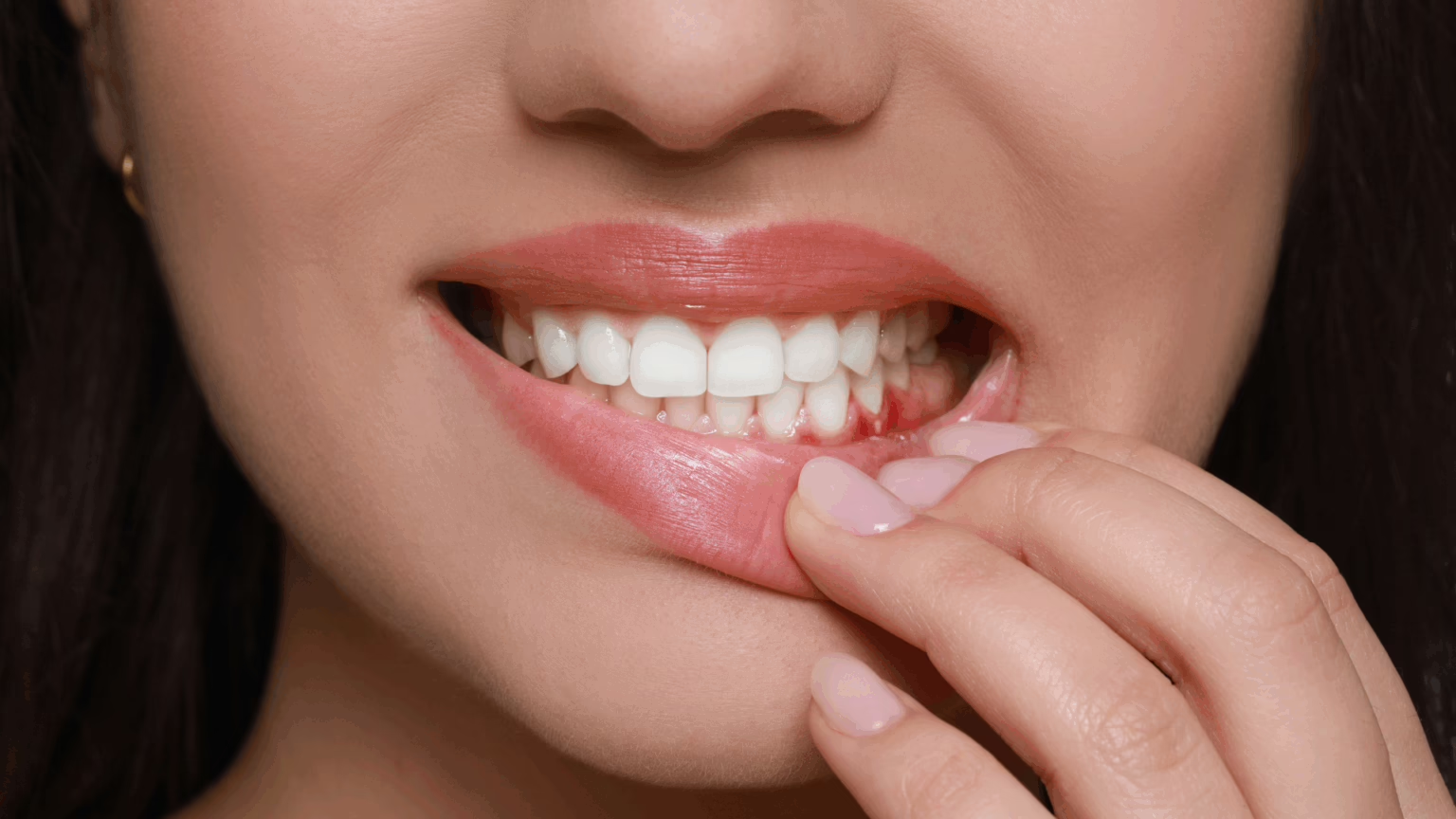
Noticing a sore in your mouth can be unsettling. Some sores clear up quickly, while others stick around longer than expected. Understanding the difference between a typical canker sore and oral cancer symptoms can help you decide when it’s okay to monitor a spot—and when it’s time to see a dentist.
At Dental Design of Brentwood in Los Angeles, CA, we believe patients feel more confident when they know what to watch for and when to seek care.
What Is a Canker Sore?
A canker sore—also known as a mouth ulcer—is a small lesion that forms inside the mouth. They’re extremely common and usually harmless, though they can be uncomfortable.
Canker sores often:
- Appear white or yellow with a red border
- Cause soreness or a burning sensation
- Develop on the inner cheeks, lips, or under the tongue
- Heal on their own within one to two weeks
They’re commonly triggered by stress, accidental bites, acidic foods, or immune system responses.
What Are Oral Cancer Symptoms?
Oral cancer symptoms involve changes in the tissues of the mouth that don’t heal and may gradually worsen. In the early stages, oral cancer is often painless, which is why regular dental exams are so important.
Possible oral cancer symptoms include:
- A sore that lasts longer than two weeks
- Red or white patches inside the mouth
- Lumps, thickened areas, or rough spots
- Ongoing jaw, tongue, or throat discomfort
- Difficulty chewing, swallowing, or speaking
- Numbness in the lips or mouth
- Bleeding without an obvious cause
These symptoms don’t automatically mean cancer, but they do warrant a professional evaluation.
Difference Between a Mouth Ulcer and Oral Cancer
One of the clearest ways to tell the difference between a mouth ulcer and oral cancer is how the area changes over time.
A canker sore usually follows a predictable pattern—it appears, becomes uncomfortable, then gradually heals. Oral cancer symptoms tend to persist, grow, or change instead of improving.
Other distinctions may include:
- Canker sores are typically painful; early oral cancer often isn’t
- Canker sores shrink as they heal; suspicious lesions remain
- Oral cancer may cause tissue thickening or noticeable color changes
If a spot in your mouth isn’t improving after two weeks, it’s best to have it examined.
How Long Should a Mouth Sore Last?
Most canker sores heal within 7–14 days. You should consider scheduling a dental visit if a sore:
- Has not healed after two weeks
- Keeps returning in the same location
- Appears larger, raised, or irregular
- Begins bleeding without explanation
Persistent sores should always be evaluated.
Why Oral Cancer Symptoms Can Be Hard to Notice
Early oral cancer often develops quietly. Without significant pain or obvious changes, it’s easy to assume a sore is minor irritation.
Dentists are trained to recognize subtle tissue changes during routine exams, which is why consistent dental visits play a key role in early detection.
Who Should Be Especially Aware of Oral Cancer Symptoms?
Oral cancer can affect anyone, but certain factors increase risk, including:
- Tobacco use
- Heavy alcohol consumption
- HPV exposure
- Age 40 and older
- Long-term sun exposure to the lips
The American Cancer Society notes that detecting oral cancer early significantly improves treatment outcomes.
When to See a Dentist
You should schedule an appointment if you notice:
- A mouth sore lasting longer than two weeks
- Changes in color or texture inside the mouth
- Lumps, swelling, or thickened tissue
- Difficulty chewing, swallowing, or speaking
A dentist can determine whether an area is harmless or needs further evaluation.
What Happens During an Oral Cancer Screening?
An oral cancer screening is simple and noninvasive. During the exam, your dentist may:
- Visually inspect your mouth, tongue, and throat
- Gently feel the tissues for abnormalities
- Review symptoms and medical history
These screenings are commonly included as part of routine dental visits.
What You Can Do at Home
For typical canker sores, you can:
- Avoid spicy or acidic foods
- Use a soft-bristled toothbrush
- Rinse gently with salt water
- Manage stress
Avoid harsh or abrasive treatments that can further irritate oral tissues.
For reliable, evidence-based information, visit:
- American Dental Association – Oral Cancer
- Mayo Clinic – Mouth Cancer
Key Takeaways
- Canker sores usually heal within two weeks
- Oral cancer symptoms often do not heal on their own
- Pain is not always an early warning sign
- Regular dental exams help identify changes early
- When in doubt, it’s best to get checked
Concerned About Oral Cancer Symptoms in Los Angeles, CA?
If you have a mouth sore that isn’t healing—or simply want reassurance—we’re here to help.
📞 Contact us at (310) 820-5703
🗓️ Schedule your appointment today
📍 Visit us at 11645 Wilshire Blvd, Suite 1158, Los Angeles, CA 90025
Dental Design of Brentwood is committed to helping patients protect their oral health with clear answers and thoughtful care.